Here’s a helpful reframe:
Menopause rarely creates new problems. It exposes how much reserve the system has left.
Think of the body like a suspension bridge
A well-maintained bridge flexes under load
A bridge with micro-cracks may look fine until traffic increases
Menopause increases the load.
If the structure underneath is resilient, the transition is smoother.
If the structure has been quietly strained for years, symptoms appear louder and more disruptive.
This is why two women of the same age, with similar hormone levels, can have vastly different experiences.
The Adrenals: The Unsung Players in Menopause
The adrenal glands are often misunderstood.
They don’t just produce “stress hormones.”
They help regulate energy, blood pressure, blood sugar, inflammation, and adaptation.
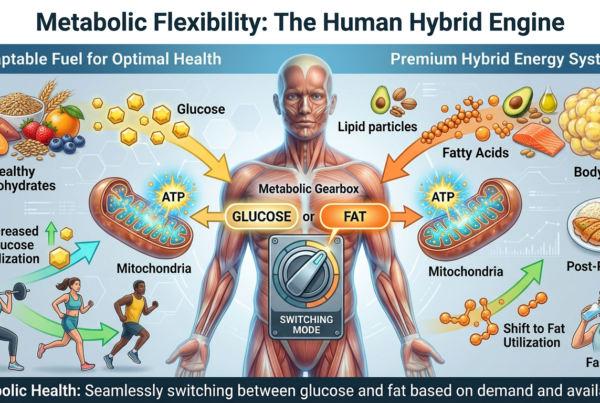
Before menopause, ovarian hormones provide significant buffering. After menopause, that buffering decreases, and the body relies more on adrenal resilience and metabolic flexibility.
Here’s a useful mental image:
The adrenals function like a rechargeable battery.
They recharge with sleep, nourishment, movement, recovery, and emotional stability
They drain with chronic stress, blood sugar swings, overwork, and under-recovery
A well-charged battery can meet new demands.
A depleted battery struggles, and symptoms emerge.
Common signs that the “battery” is already low at menopause:
Waking tired despite sleep
Feeling wired but exhausted
Anxiety without clear triggers
Low stress tolerance
Emotional volatility
Poor recovery after busy days
This doesn’t mean the adrenals are failing.
It means they’ve been working overtime for years.

Lifestyle Patterns: The Quiet Architects of Symptoms
Here’s the uncomfortable but empowering truth:
Many women with severe menopausal symptoms share similar patterns, such as:
Highly processed or sugar-heavy diets
Frequent blood sugar spikes and crashes
Inadequate protein intake
Low muscle mass
Little resistance training
Chronic sleep disruption
Long-term emotional over-responsibility
Individually, these seem manageable.
Over decades, they accumulate into metabolic strain.
Menopause doesn’t cause the strain; it reveals it.
PMS Is Often the First Warning Light
One of the most consistent patterns clinicians observe is this:
Women who had severe PMS earlier in life are more likely to experience severe menopausal symptoms.
This is not a coincidence.
Both PMS and menopause are sensitive to:
Blood sugar instability
Stress hormone load
Progesterone–oestrogen balance
Liver hormone processing
Inflammatory burden
Think of PMS as an early warning light.
The system is already working harder to maintain balance.
Menopause simply removes some of the hormonal cushioning that previously helped.

The Grandmother Effect: What Changed Across Generations?
Many women reflect on older generations and wonder:
“Why did they cope better?”
While not universal, many grandmothers and great-grandmothers shared protective traits:
Physically active daily lives
Whole, minimally processed foods
Strong circadian rhythms
Fewer constant dietary decisions
Less 24/7 cognitive overload
They weren’t “perfectly healthy”, but their lives often matched human physiology more closely.
Modern women are often metabolically over-stimulated and under-recovered long before menopause begins.
Why This Matters for Mood and Relationships
Menopausal mood changes are often framed as emotional or psychological.
But mood is deeply metabolic.
The brain depends on:
Steady glucose delivery
Stable insulin signalling
Balanced stress hormones
When metabolic regulation becomes unstable, the emotional system becomes reactive.
This can show up as:
Irritability
Tearfulness
Anxiety
Low frustration tolerance
Emotional withdrawal
These changes can strain even strong relationships, especially when misunderstood.
Understanding the physiology helps shift the story from:
“What’s wrong with me?”
to
“My system is under load and needs support.”

Metabolic Strain vs Metabolic Resilience
Here’s the hopeful part.
Metabolic resilience is modifiable.
Women who tend to experience smoother menopausal transitions often have:
Preserved muscle mass
Stable eating patterns
Good protein intake
Regular movement
Better sleep routines
Lower chronic stress load
This is not about perfection.
It’s about capacity.
The greater the reserve, the quieter the transition tends to be.
Pattern Recognition: Let’s Talk
This blog is meant to open conversation, not close it.
Women:
Did severe PMS earlier in life predict your menopausal experience?
Men:
Did emotional changes appear before physical ones?
In the final blog of this series, we’ll explore what often comes after menopause and why cardiometabolic risk rises, but it is not inevitable.
If you found this discussion useful, you may be interested in my book, Your Metabolic Shift, which explores these concepts in greater depth.
References
– Santoro N. Perimenopause: From Research to Practice. Journal of Women’s Health.
– Carr MC. The Emergence of the Metabolic Syndrome with Menopause. Journal of Clinical Endocrinology & Metabolism.
– Lovejoy JC et al. Increased visceral fat and decreased energy expenditure during the menopausal transition. International Journal of Obesity.
– Shuster LT et al. Premature menopause and cardiovascular disease risk. Climacteric.
– Gordon JL et al. Mood symptoms and menopause: metabolic and hormonal interactions. Menopause.
– Janssen I et al. Skeletal muscle mass, insulin sensitivity, and aging. American Journal of Clinical Nutrition.