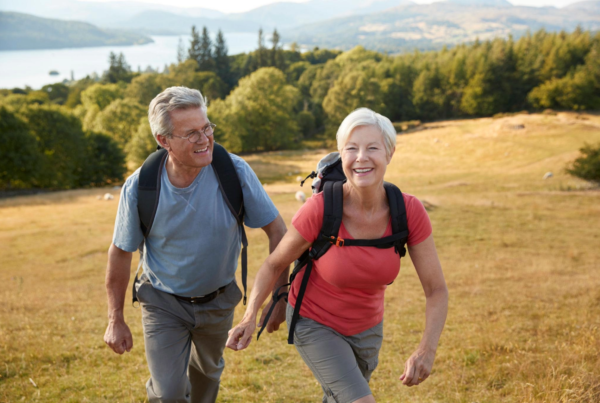
From physical strength and mental resilience to sleep, nutrition, sunshine, and human connection, this practical, science-informed guide helps you live longer and better.
Imagine two people celebrating their 75th birthdays.
One struggles to rise from a chair, worries about falling, sleeps poorly and has gradually withdrawn from social activities. The other walks confidently, carries shopping, enjoys meaningful friendships, sleeps reasonably well and looks forward to tomorrow.
Both have lived 75 years. But their experience of ageing differs profoundly.
What separates them? Genetics, illness, environment and good fortune certainly matter. But so do the small decisions repeated over thousands of ordinary days.
Longevity is not merely the number of birthdays we celebrate. It is the capacity to keep participating in life.
Last week, I promised to explore how we can transform healthy longevity from an attractive aspiration into a personalised, measurable and sustainable way of living.
This week, we turn that promise into a practical blueprint.
Start with your personal longevity dashboard
Imagine driving a car across the country without knowing its fuel level, tyre pressure or engine temperature.
You might reach your destination, but you would be travelling without useful information.
Our bodies deserve at least the same attention.
In medicine, we increasingly recognise the importance of intrinsic capacity: the combined physical and mental abilities that help us function independently.
Rather than relying exclusively on weight, cholesterol or blood pressure, we should ask:
- How strong am I?
- How efficiently can I move?
- How well do I sleep and recover?
- How resilient is my emotional health?
- Can I continue doing the things that give my life meaning?
These questions create a practical starting point. Clinical measurements, medication review and appropriate preventive screening remain essential, but functional assessments reveal how health translates into everyday living.
Measure physical capacity: four familiar tests and some powerful additions
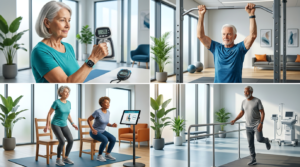
Our muscles, balance systems, heart and lungs work together like an orchestra. Measuring only one instrument cannot tell us how well the entire orchestra performs.
Fortunately, several useful assessments require little equipment.
You can measure grip strength with an inexpensive hand dynamometer. Lower grip strength has repeatedly been associated with poorer health outcomes, although it does not independently predict an individual’s lifespan.
The five-times sit-to-stand test measures how quickly someone rises from a chair five times without using their arms, when safe. It reflects a task essential to independent living.
Single-leg balance provides another window into physical function. A 2022 study reported that being unable to hold a 10-second one-leg stance was associated with higher mortality during follow-up. Importantly, this was an association, not proof that practising the test itself extends life.
Walking speed and the Timed Up and Go test provide information about real-world movement.
The dead hang can be useful for appropriately fit individuals, but it is not a validated stand-alone longevity test and may be unsuitable for people with shoulder problems, frailty or cardiovascular limitations.
The purpose is not to compete with someone younger. It is to establish your own baseline and improve safely.
Technology: turning everyday movement into useful information
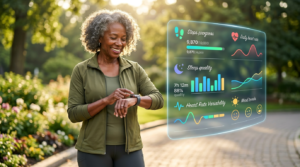
Modern wearable devices allow us to observe patterns that previously required specialised laboratories.
Smartwatches, activity trackers and some connected scales can estimate:
- Daily steps and active minutes.
- Resting heart rate and heart-rate trends.
- Heart-rate recovery after exercise.
- Estimated cardiorespiratory fitness, often reported as VO₂ max.
- Sleep timing, duration and consistency.
- Heart-rate variability, a potential indicator of autonomic regulation.
Think of a wearable as a weather station, not a medical laboratory. It detects changing conditions, but you need to interpret its readings.
A gradually improving walking pace, lower resting heart rate and better exercise tolerance may indicate positive adaptation. However, wearable VO₂ max and sleep-stage estimates are imperfect, and heart-rate variability can be affected by illness, medication, alcohol, stress, and measurement conditions.
The most meaningful information often comes from trends over weeks and months, rather than individual daily scores.
Technology should make us more aware of our health, not more anxious about every fluctuation.
Measure mental capacity: the health we cannot always see
Physical strength is only half the longevity story.
A person may walk five kilometres comfortably yet struggle with persistent anxiety, poor sleep, loneliness or loss of motivation.
Mental and emotional wellbeing deserve the same systematic attention as physical function.
Several validated questionnaires can help:
WHO-5 Well-Being Index: Five questions assessing positive psychological well-being over the previous two weeks.
Pittsburgh Sleep Quality Index (PSQI): Assesses perceived sleep quality and disturbances over approximately one month.
Patient Health Questionnaire (PHQ-9): Screens for depressive symptoms and assesses severity.
Generalised Anxiety Disorder scale (GAD-7): Screens for anxiety symptoms.
These instruments are not interchangeable. The WHO-5 measures wellbeing, the PSQI measures sleep, the PHQ-9 measures depression, and the GAD-7 assesses anxiety.
For cognitive concerns, validated tools such as the Mini-Cog or Montreal Cognitive Assessment may be appropriate under professional guidance.
Wearable-derived sleep and activity information can complement these assessments. Composite systems, including proprietary scores sometimes described as SENSE scores, may also offer insights, but their clinical usefulness depends on the specific algorithm and its independent validation.
A number on a screen should never replace a meaningful conversation about how someone actually feels.
Persistent depression, anxiety, memory difficulties or concerning screening results deserve proper clinical assessment.
The five pillars of healthy longevity plus sunshine and love
I often encourage patients to think of longevity as a house supported by five pillars: nutrition, physical activity, restorative sleep, stress regulation and strong social connections.
Sunshine helps synchronise our internal clock, while love gives our efforts purpose.
Nutrition: feed your future self
Build a healthy diet around minimally processed foods: vegetables, fruit, legumes, whole grains, nuts, seeds, healthy fats, and appropriate protein sources.
Including animal or plant protein in every main meal is a useful practical habit, particularly as we age and maintaining muscle becomes more challenging.
Fish, eggs, yoghurt, tofu, beans, lentils and other protein-rich foods can all contribute.
Protein requirements should be personalised, particularly for people with kidney disease or other medical conditions.
Hydration also deserves attention.
For many years, I have encouraged patients to begin their mornings with approximately 500 ml of water, sometimes flavoured with a teaspoon of lemon or lime juice and a teaspoon of apple cider vinegar.
This can be an enjoyable hydration ritual, but it is important to distinguish habit from evidence. Water replenishes fluid lost overnight; the amount required varies, and 500 ml does not precisely replace everyone’s overnight losses. No convincing evidence shows that adding vinegar provides a unique longevity benefit.
Plain water is equally acceptable. People with reflux, dental erosion, fluid restrictions or relevant medical conditions should modify this routine.

Physical activity: make movement your daily medicine
The World Health Organisation recommends 150–300 minutes of moderate aerobic activity weekly, alongside muscle-strengthening exercise at least twice weekly. Older adults also benefit from regular balance and functional training.
But activity doesn’t have to start in a gym.
A 10–15-minute walk after meals can help interrupt prolonged sitting and improve post-meal glucose regulation.
Climbing stairs, carrying groceries, gardening and playing with grandchildren are all opportunities to maintain capacity.
The secret is consistency, supported by progressive challenge.
Sleep: protect your nightly repair window
Sleep is not wasted time. It supports memory, emotional regulation, metabolic health and physical recovery.
A large UK Biobank analysis involving nearly 89,000 participants found that irregular sleep timing was associated with increased mortality risk.
This does not prove that regularity alone prevents disease, but it strengthens the case for consistent sleep habits.
I encourage patients to maintain regular waking and bedtime schedules, dim bright lights and reduce stimulating screen use during the final one to two hours before bed.
Finishing the last substantial meal approximately two to four hours before bedtime may improve comfort and reduce reflux for some individuals.
Daily physical activity and morning daylight exposure can further support sleep quality.
Stress regulation: calm the alarm system
Our stress response resembles a fire alarm.
It is invaluable during emergencies, but a constantly activated alarm can disrupt sleep, mood, and everyday functioning.
Slow breathing, mindfulness, gentle movement, time in nature and supportive relationships are practical ways to regulate stress.
Even five minutes of deliberate breathing can become a useful daily ritual.
Social connection: the often-forgotten medicine
Humans are social beings.
Meaningful relationships provide emotional support, opportunities for activity and a sense of belonging.
Loneliness and social isolation are linked to poorer health outcomes, though the pathways are complex.
Shared meals, walking groups, volunteering, family conversations and friendships are not luxuries to postpone until retirement.
They are part of a healthy life today.
Sunshine and love: synchronise the clock, nourish the spirit
I often recommend approximately 15 minutes outdoors in the morning and another 15 minutes in the afternoon, where practical.
Morning daylight helps time the brain’s circadian clock. Afternoon outdoor time offers another chance to move and connect with nature.
The precise duration is not a universal medical prescription. Light intensity, season, latitude and individual circumstances matter. Avoid sunburn and follow appropriate UV protection guidance.
And love expressed through affection, kindness, companionship and caring for others helps give healthy habits meaning.
From good intentions to an ordinary day
The most effective longevity plan is not the most complicated. It is the one that fits naturally into life.
Imagine a typical day.
You wake at a consistent time, drink water and step outside for daylight. After breakfast, you take a short walk.
At lunch, you choose whole foods and include protein. You break up prolonged sitting, perhaps with a few chair stands or a short stroll.
Later, you complete a brief resistance-training session or enjoy a walk with a friend.
In the evening, you share a meal, connect with someone important, dim the lights and prepare for sleep.
None of these actions is spectacular.
But their cumulative effect may be substantial.
Longevity is built less through occasional heroic efforts than through ordinary behaviours repeated consistently.
How do we know whether our plan is working?
This is where measurement becomes empowering.
A practical longevity journal can combine objective measurements with personal experience.
Measure daily: Movement, sleep timing, mood, nutrition habits and meaningful social contact
Weekly: Active minutes, strength sessions, sleep consistency and perceived energy
Monthly: Walking pace, chair stands, balance and selected wearable trends
3-monthly: Grip strength, functional fitness and relevant wellbeing questionnaires
Periodically with a clinician: Blood pressure, metabolic risk, medications and preventive screening
Avoid measuring everything every day. Repeated testing can introduce fatigue, anxiety and misleading fluctuations.
Instead, select a few meaningful indicators, use consistent testing conditions and compare results with your personal baseline.
For example, completing five chair stands more comfortably, walking further without exhaustion, sleeping more consistently and feeling socially engaged may collectively indicate meaningful progress.
If a measure deteriorates persistently, review the plan and consider medical assessment rather than simply exercising harder.
The power of small groups: making longevity contagious
Knowledge may start a health journey, but companionship often helps sustain it.
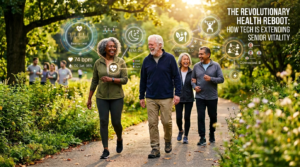
Consider a small group of four to eight friends who meet weekly to walk, practise balance exercises, exchange healthy recipes and discuss progress.
One member may be improving sleep. Another may be building strength. A third may be working to overcome social isolation.
The group provides encouragement without requiring competition.
Behaviour-change research suggests that goal-setting, self-monitoring, feedback and social support can help people maintain healthier routines.
A group can celebrate progress while respecting individual abilities and privacy.
The aim is not to produce the highest score.
The goal is to help everyone stay active, independent, and connected.
Your first 30 days: a realistic longevity experiment
Instead of changing everything overnight, start with four manageable weeks.
Week 1 — Discover: Record your usual sleep, movement, wellbeing and selected physical assessments. Identify one meaningful personal goal.
Week 2 — Establish: Introduce a consistent wake time, daily daylight exposure, hydration and a short walk after one meal.
Week 3 — Strengthen: Add appropriate resistance and balance exercises, improve meal quality and practise daily stress regulation.
Week 4 — Connect and review: Invite a friend or small group to participate. Review adherence, energy, sleep and functional progress.
After 30 days, ask not only, “Have my numbers improved?” but also, “Does everyday life feel easier, richer or more enjoyable?”
That is the beginning of a truly personalised longevity plan.
If you found this discussion useful, you may be interested in my recently published book, “Your Metabolic Shift”, which explores these concepts in greater depth.
Frequently Asked Questions
- Do I need a smartwatch to follow a longevity plan?
No. A notebook, stopwatch, chair and regular walking route can provide useful information. Wearables are optional tools, not prerequisites.
- How often should I repeat physical assessments?
Every 8–12 weeks is a reasonable interval for many functional tests, although the appropriate frequency depends on health, training and clinical circumstances.
- Is there one test that predicts how long I will live?
No. Grip strength, walking speed, balance and cardiorespiratory fitness provide useful population-level information, but none can accurately predict an individual’s lifespan.
- Can improving sleep help my physical and mental capacity?
Yes. Adequate, regular sleep supports recovery, cognition and emotional health. Persistent insomnia or suspected sleep apnoea requires assessment.
- What if I have limited mobility or a chronic illness?
Your plan should adapt to your abilities, symptoms, and medical needs. Seated strengthening, supported balance exercises and supervised rehabilitation may be appropriate.
- How quickly should I expect results?
Some improvements in energy, routine and confidence may appear within weeks. Meaningful strength and fitness changes often require longer. Sustainable progress matters more than speed.
- What is the single most important longevity habit?
There is no universal winner. Regular physical activity, good nutrition, sufficient sleep, stress management and social connection reinforce one another. Begin with the change that is both meaningful and achievable for you.
The take-home message
Healthy longevity is an ongoing process of understanding, protecting, and improving our capacity to live well.
Start by measuring what matters. Build your plan around the five lifestyle pillars. Use sunshine, movement and meaningful relationships to support daily rhythms. Monitor progress without becoming obsessed with numbers. And whenever possible, travel this journey with others.
Above all, remember that measuring health isn’t about collecting impressive statistics.
It is to preserve the freedom to climb stairs, explore new places, embrace loved ones, contribute to our communities and wake up with something to look forward to.
We cannot control every year we are given. But we can influence how we prepare for those years — one meal, one walk, one night’s sleep and one meaningful connection at a time.
Don’t just aspire to healthy longevity. Measure it, practise it, share it and make it part of the life you are living today.
This article is educational and does not replace individual medical advice. Adapt physical assessments, dietary changes, and exercise programmes for frailty, disability, cardiovascular disease, fall risk, and other relevant health conditions.
References
- Bull FC, Al-Ansari SS, Biddle S, et al. World Health Organisation 2020 guidelines on physical activity and sedentary behaviour. British Journal of Sports Medicine. 2020;54(24):1451–1462. https://doi.org/10.1136/bjsports-2020-102955
- World Health Organisation. WHO Guidelines on Physical Activity and Sedentary Behaviour. Geneva: WHO; 2020. https://www.who.int/publications/i/item/9789240015128
- Studenski S, Perera S, Patel K, et al. Gait speed and survival in older adults. JAMA. 2011;305(1):50–58. https://doi.org/10.1001/jama.2010.1923
- Leong DP, Teo KK, Rangarajan S, et al. Prognostic value of grip strength: findings from the Prospective Urban Rural Epidemiology (PURE) study. The Lancet. 2015;386(9990):266–273. https://doi.org/10.1016/S0140-6736(14)62000-6
- Araújo CGS, de Souza e Silva CG, Laukkanen JA, et al. Successful 10-second one-legged stance performance predicts survival in middle-aged and older individuals. British Journal of Sports Medicine. 2022;56:975–980. https://doi.org/10.1136/bjsports-2021-105360
- Podsiadlo D, Richardson S. The timed “Up & Go”: a test of basic functional mobility for frail elderly persons. Journal of the American Geriatrics Society. 1991;39(2):142–148. https://doi.org/10.1111/j.1532-5415.1991.tb01616.x
- Buysse DJ, Reynolds CF III, Monk TH, Berman SR, Kupfer DJ. The Pittsburgh Sleep Quality Index: a new instrument for psychiatric practice and research. Psychiatry Research. 1989;28(2):193–213. https://doi.org/10.1016/0165-1781(89)90047-4
- Topp CW, Østergaard SD, Søndergaard S, Bech P. The WHO-5 Well-Being Index: a systematic review of the literature. Psychotherapy and Psychosomatics. 2015;84(3):167–176. https://doi.org/10.1159/000376585
- Kroenke K, Spitzer RL, Williams JBW. The PHQ-9: validity of a brief depression severity measure. Journal of General Internal Medicine. 2001;16(9):606–613. https://doi.org/10.1046/j.1525-1497.2001.016009606.x
- Spitzer RL, Kroenke K, Williams JBW, Löwe B. A brief measure for assessing generalised anxiety disorder: the GAD-7. Archives of Internal Medicine. 2006;166(10):1092–1097. https://doi.org/10.1001/archinte.166.10.1092
- Windred DP, Burns AC, Lane JM, et al. Sleep regularity and mortality: a prospective analysis in the UK Biobank. eLife. 2024;13. https://doi.org/10.7554/eLife.88359
- Ekelund U, Tarp J, Steene-Johannessen J, et al. Dose-response associations between accelerometry-measured physical activity and sedentary time and all-cause mortality: systematic review and harmonised meta-analysis. BMJ. 2019;366. https://doi.org/10.1136/bmj.l4570
- Holt-Lunstad J, Smith TB, Layton JB. Social relationships and mortality risk: a meta-analytic review. PLoS Medicine. 2010;7(7). https://doi.org/10.1371/journal.pmed.1000316
- St-Onge MP, Grandner MA, Brown D, et al. Sleep duration and quality: impact on lifestyle behaviours and cardiometabolic health. Circulation. 2016;134(18)–e386. https://doi.org/10.1161/CIR.0000000000000444
World Health Organisation. Integrated Care for Older People (ICOPE): Guidance for Person-Centred Assessment and Pathways in Primary Care. Geneva: WHO; 2019. https://www.who.int/publications/i/item/WHO-FWC-ALC-19.1