
How can we spot, prevent and reverse vascular calcification to keep our arteries clear and flexible?
This 60-year-old gentleman had major surgery to repair a ruptured abdominal aortic aneurysm complicated by a stroke. Following surgery, he was diagnosed with very high blood pressure for the first time and prescribed multiple pills to control it. The extension of the aneurysm compromised the blood supply to his legs.
He had normal bladder function but sexual dysfunction and constipation. He had receding gums, with extensive calcium deposits and 8 silver fillings (the patient likes sweets, chocolates, and cakes and hates healthy food). He had been on calcium and vitamin D pills for osteoporosis and visited the dental hygienist regularly to clear calcium plaques on his gums. He smoked cigarettes and drank alcohol to excess.
He had a normal BMI of 22.7. His waist was 40.8 inches, hip 42 inches, making his waist/hip ratio 0.97 (fat in the middle.) His pulse was 42 bpm (he’s on B-blockers), and his blood pressure was high at 168/85.
He had neurological signs consistent with left-side stroke. He could walk a few steps with a stick and minimal support. He then stopped due to severe pain in both calves that settled on resting. Further testing showed extensive vascular calcifications covering the main artery (aorta) and peripheral leg arteries.
The calcified aorta was the underlying cause of the massive aortic aneurysm, which ruptured, resulting in potentially fatal vascular events, repaired with major surgery. The leg pain related to walking is clinically known as intermittent claudication due to rigid and clogged calcified arteries, which limited his walking distance. The pain was due to the accumulation of lactic acid and reduced blood supply.

Find out how this gentleman got on at the end of this blog, in which we will discuss vascular calcification, a common condition closely linked with hypertension and often accompanied by heart disease, stroke, dementia, kidney failure and poor leg circulation. Despite the serious complications, it is not hard to prevent or treat.
Calcification is a key risk in hypertension, abdominal aortic aneurysm formation, and its fatal complication, ruptured aortic aneurysm. Vascular calcification means that the blood vessels have a similar density to bone. This can happen in coronary arteries, the aorta (the main artery), and the peripheral arteries.
Your calcium score is a validated test to diagnose coronary disease and estimate the severity and risk of acute vascular events. However, there is no similar tool to evaluate peripheral blood vessel calcifications.
What is vascular calcification?
Many doctors consider vascular calcification an incidental age-related phenomenon, but it is actually a well-regulated detrimental condition and is an independent risk factor for vascular mortality.
There is a strong association between vascular calcification and cardiovascular disease. Research changed our view of calcification from being a passive bystander to an active protagonist.
Stiffening of arteries starts early in the 20s, and by 50, most people’s arteries are stiff enough to cause stroke, heart attack or heart failure.
Studies showed that 37% of hypertension people have vascular calcification compared to 17% in the normal population. One study showed that two-thirds of the over 70s have calcification in all vascular beds. Another revealed that 30-50% of asymptomatic people in the US have vascular calcification.
Intima: the common arterial calcification that happens as part of atherosclerotic vascular disease. Cholesterol plaques build up on the lining (intima) of arteries. These calcify at some stage to integrate the atherosclerotic plaque into the blood vessel wall. This usually results in the narrowing of the artery lumen and partial closure.
Media: the other calcification pattern that builds up in the middle muscular layer of the artery wall (called media) is mostly age-related but also happens in diabetics and those with chronic kidney disease. This results in decreased elasticity and progressive stiffening of arteries, giving systolic hypertension.
Here, the heart pumps harder (high top BP number), but the relaxation (diastolic) pressure (bottom BP number) is low, creating a high pulse pressure (the difference between the two numbers) and coronary disease. This increases the older adult’s risk of heart disease since the coronary artery fills during diastole. In this case, there is insufficient pressure to push blood into the coronary vessels, causing insufficient coronary circulation and heart disease.
A CT scan is the most sensitive measure of total calcium, but it does not distinguish between intima and media calcification.
Matrix GLA protein (MGP) is a protein in blood that is known to inhibit calcification. Patients with extensive vascular calcification were found to be deficient in it. MGP is the only mechanism known to inhibit cardiovascular calcification and maintain flexibility of blood vessels.
Studies showed neither statin nor blood pressure-lowering drugs improved vascular calcification or associated complications.
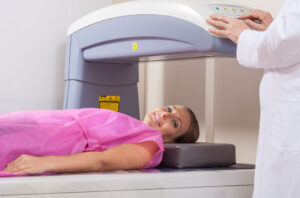
Risk of vascular calcification
Calcification of arteries is common in patients who also suffer from diabetes, hypertension, degenerative joint disease, arthritis, osteoporosis, and bad teeth and gum disease.
It is common in people who take more than 1g of calcium daily with or without vitamin D. Studies showed this increases the risk of cardiovascular disease by 20% and mortality by 22%. This includes chronic kidney disease patients, who are prescribed calcium without adding vitamin K2.
People who choose to go on a low-fat diet miss eating adequate fat-soluble vitamins such as vitamin D, which facilitates the absorption of calcium, and vitamin K2, which diverts calcium away from soft tissue, such as blood vessels, to be deposited where it should be – in bones.
Vitamin D facilitates the absorption of calcium in the gut. However, vitamin K2 distributes calcium to various parts of the body. If you have adequate vitamin D to absorb calcium, and yet you are low in vitamin K2, this may send calcium to the wrong parts of the body, such as blood vessels, causing rigidity of arteries and contributing to the development of high blood pressure and vascular disease.
An intake of MK7, a form of vitamin K2, caused less vascular calcification but more bone density and fewer fractures. Another study demonstrated that vitamin K2 improved the elasticity of blood vessels.
Who should not take vitamin K2?
People with glucose-6-phosphate dehydrogenase deficiency and those on warfarin and dialysis should not take vitamin K2.
There are two types of vitamin K. K1 thickens the blood and allows clot formation. A deficiency of vitamin K1 impairs blood clotting and increases the risk of bleeding, but intake of vitamin K2 does not cause clot formation. MK7 does not impact vitamin K-dependent coagulation.
If your blood vessels are clogged and calcified, it is not the end of the world. You can unclog arteries and clear calcium deposits with healthy eating, taking essential supplements and staying physically active.
Besides vitamin K2, other supplements that dissolve calcified plaques from arteries include vitamins C and E. Vitamin C helps reduce inflammation and prevent the oxidation of LDL cholesterol, which can initiate plaque formation.
Optimal vitamin K2 intake is crucial to avoid the calcium plaque build-up of atherosclerosis, thus keeping the risk and rate of calcification as low as possible. And as we have seen, MGP, found in the heart, kidney and lung tissues, plays a dominant role in calcium metabolism.
Vitamin K2
K2 also affects insulin resistance. In saliva, it improves the teeth and dental calcification. In the pancreas, it helps insulin sensitivity, preventing small vessel calcification in the brain and reducing the risk of dementia. High intake of vitamin K2 is strongly associated with a reduced risk of heart disease.
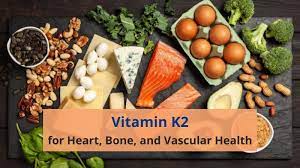
K1 is found in leafy greens, such as kale and spinach. K2 is found in eggs and fermented food such as Japanese Natto, hard cheese, Butter, liver, and cod liver oil. An egg yolk can contain between 70 and 190 µg of vitamin K2.
How long does it take to clean arteries?
Vitamin K2 takes about three years to clean arteries. A study of 244 postmenopausal women who were supplemented with vitamin K2 showed a significantly reduced risk of cardiovascular death compared with the placebo group.
A daily dose of about 200 µg of vitamin K2, preferably taken with vitamin D3, has a synergistic effect.
Our gentleman patient made a very gradual recovery following the improvement of his diet and regular gentle exercise. He responded well to a combination of vitamin D and K2, which would positively impact his osteoporosis and gum disease. He was advised to discontinue calcium pills that may have contributed to his vascular calcifications.
So, my friends, whilst our arteries’ health can be threatened by vascular calcification, the remedy is comparatively straightforward to implement – especially with the Vitality Clinic’s support! Even our 60-year-old gentleman, who was in poor condition, could improve with a few simple changes to his lifestyle. Please share your thoughts and questions by commenting on this piece, and please subscribe to the newsletter so you don’t miss further vital information. Thank you!
References
Peripheral arterial calcification: Prevalence, mechanism, detection, and clinical implications
https://www.ncbi.nlm.nih.gov/pmc/articles/PMC4262070/
Vascular calcification and hypertension: Cause and effect
https://www.tandfonline.com/doi/full/10.3109/07853890.2012.660498
Blood pressure and vascular calcification
https://www.ncbi.nlm.nih.gov/pmc/articles/PMC2842577/
Hypertension promotes chronic calcium deposit in asymptomatic men
https://www.ahajournals.org/doi/full/10.1161/01.hyp.27.4.949
The association of renal artery calcification with hypertension
https://www.sciencedirect.com/science/article/abs/pii/S1933171115008050