
Why the smartest fitness shortcut may be daily movement, not extreme workouts
Are we becoming a shortcut society?
Modern life loves shortcuts.
Fast food. Fast internet. Fast delivery. Fast success.
Now we want fast fitness.
That explains the popularity of High Intensity Interval Training (HIIT). Short bursts of effort, often just 10 to 20 minutes, promise the benefits of a longer workout.
And to be fair, HIIT works.
But many people misread the message.
They hear:
“If 15 minutes works, why waste time walking, cycling, stretching, or staying active all day?”
So, exercise becomes compressed into one intense session… followed by hours sitting on a chair watching TV, scrolling on phones, or playing computer games.
That is like brushing your teeth for ten minutes, then eating sugar all day.

Your body hates being parked
Many people treat exercise like medicine:
- Take one dose daily
- Tick the box
- Return to sitting
But Humans were built to move often.
Not just “exercise”—move.
Walk. Lift. Carry. Stretch. Climb. Squat. Balance. Wander. Fidget.
Instead, modern life has turned many adults into highly decorated chair athletes.
And the body notices.
Long hours of sitting are linked with poorer blood sugar control, reduced circulation, stiffness, lower fitness, and a higher risk of chronic disease.
Even in people who “go to the gym.”
HIIT: The rocket booster
HIIT is like a rocket launch.
Short. Explosive. Effective.
It improves:
- Fitness capacity (VO₂ max)
- Insulin sensitivity
- Blood sugar control
- Mitochondrial efficiency
- Cardiovascular conditioning
For busy people, it can be excellent.
But rockets are not used for commuting.
Too much HIIT in already stressed, sleep-deprived people may lead to:
- Excess fatigue
- Injury
- Cortisol overload
- Poor adherence
- Burnout
Intensity is powerful but not complete.
Cardio: The appetite tamer, sugar stabiliser and metabolic engine
Cardio does far more than “burn calories.”
One of its most immediate and underrated effects is how quickly it can improve insulin sensitivity—the body’s ability to respond properly to insulin and move sugar out of the bloodstream into cells where it can be used for energy.
When insulin sensitivity is poor, the body often compensates by producing more insulin. High insulin levels can drive a frustrating cycle of:
- Constant hunger
- Sugar cravings
- Energy crashes
- Belly fat storage
- Snacking without satisfaction
- Afternoon fatigue
Many people think they lack willpower.
Often, they are dealing with unstable physiology.
Why cardio can change appetite quickly
In clinical practice—and in many personal experiences—moderate cardio such as brisk walking, cycling, rowing, swimming, or steady jogging often reduces cravings almost immediately.
Why? Because working muscles act like a sponge for glucose.
During and after aerobic movement, muscles pull sugar from the bloodstream more efficiently, often requiring less insulin. This helps steady blood sugar levels and reduce the rollercoaster that drives hunger.
The result can be:
- Fewer cravings
- Better appetite control
- Longer satiety after meals
- Reduced urge to snack
- More stable mood and energy
Many people notice this after just one session.
They feel calmer around food.
That is not imagination, it is metabolism.
Cardio vs strength training: Different tools, different benefits
Cardio and resistance training both improve health, but through slightly different mechanisms.
Cardio often helps immediately by:
- Improving insulin sensitivity
- Lowering post-meal glucose spikes
- Reducing cravings
- Increasing fat oxidation
- Enhancing mood and stress control
Strength training helps progressively by:
- Building metabolically active muscle tissue
- Raising resting energy expenditure modestly
- Increasing glucose storage capacity
- Improving long-term insulin sensitivity
- Supporting body composition
- Prevent frailty with age
After 30, muscle tends to decline unless challenged.
Strength training twice weekly may be one of the most powerful anti-ageing tools available.
Think of it this way:
Cardio helps manage today’s blood sugar.
Strength training helps reshape tomorrow’s metabolism.
Both matter.
Why walking after meals is so powerful
One of the simplest tools is a 10–15 minute walk after eating.
This can help shuttle glucose into muscles before it lingers in the bloodstream, reducing spikes and crashes later.
For people struggling with:
- Sweet cravings after dinner
- Afternoon hunger
- Prediabetes
- Weight regain
- Energy dips
…a short post-meal walk can be surprisingly effective.
The real message
If you feel constantly hungry, craving sugar, or fighting your appetite all day, the answer may not always be stricter dieting.
Sometimes the body is asking for movement.
A brisk walk may succeed where willpower fails.
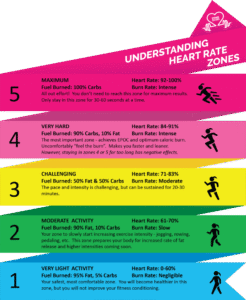
Cardio and weight loss: Why Zone 2 is the body’s fat-burning sweet spot
One reason traditional cardio remains so valuable for weight management is that it often places the body in what is commonly called Zone 2 training.
Zone 2 refers to a moderate exercise intensity where you are working hard enough to raise your heart rate and breathing, but not so hard that conversation becomes difficult.
A simple guide:
- You can still speak in short sentences
- Breathing is deeper but controlled
- You feel warm and working, but sustainable
- You could continue for 30–60 minutes
Examples include:
- Brisk walking uphill
- Steady cycling
- Light jogging
- Rowing at a moderate pace
- Swimming steadily
Why Zone 2 helps burn fat
At lower to moderate intensities, the body can use a greater proportion of fat as fuel alongside carbohydrate.
This makes Zone 2 particularly useful for:
- Improving fat oxidation
- Reducing visceral fat over time
- Improving metabolic flexibility
- Lowering insulin resistance
- Supporting appetite control
Many people trying to lose weight mistakenly assume they must feel exhausted for exercise to work.
In reality, some of the most effective fat-burning sessions feel controlled rather than brutal.
Sometimes the path to fat loss is not harder.
Why HIIT and heavy training use more sugar
By contrast, very intense exercise such as HIIT, sprint intervals, or heavy resistance training relies more heavily on glycogen (stored carbohydrate) because the body needs rapid energy quickly.
This does not mean HIIT is bad for weight loss.
HIIT can:
- Burn calories efficiently
- Improve insulin sensitivity
- Build fitness quickly
- Preserve muscle when paired with strength training
- Increase post-exercise energy expenditure
But its main fuel source during effort is more carbohydrate than fat.
The smart comparison
Think of it like this:
Zone 2 cardio trains your body to burn fat more effectively.
HIIT trains your body to handle high power output and glucose demand.
Both are useful.
One improves the engine’s efficiency.
The other improves horsepower.
Recovery is not always rest
This is an important truth rarely discussed.
Recovery does not always mean lying still.
Often, the body recovers faster with:
- Gentle walking
- Easy cycling
- Light stretching
- Mobility drills
- Relaxed swimming
This is called active recovery.
Why does it help?
Because light movement improves circulation, lymphatic flow, nutrient delivery, and stiffness reduction.
Sometimes the best recovery from movement… is movement.

Mobility & balance: The forgotten fortune
Many people want abs but cannot touch their toes.
They count calories but cannot stand on one leg.
Mobility and balance preserve independence.
They reduce:
- Falls
- Back pain
- Stiffness
- Injury risk
- Fear of movement
10 minutes a day can dramatically change your future.
Why cardio matters for the brain
Cardio not only strengthens the heart.
It nourishes the brain.
Aerobic exercise increases blood flow to the brain and boosts brain-derived neurotrophic factor (BDNF) and neuroplasticity (new brain cell connections)
It supports memory, learning, and mood, and is strongly associated with reduced risk of cognitive decline and dementia.
Think of it as fertiliser for the brain.
Walk daily, and your neurones may thank you later.
Movement during the day improves sleep at night
Sleep is not something that begins at bedtime.
It begins when you wake up.
Daytime activity helps you:
- Fall asleep faster
- Sleep deeper
- Sleep longer
- Improve sleep quality
- Wake more refreshed
Movement uses ATP (cellular energy) and builds natural sleep pressure by increasing adenosine levels.
Your body sleeps better when it has earned sleep.
Not chemically forced sleep.
The best exercise plan
Not HIIT only.
Not cardio only.
Not only weights.
The ideal formula is a balance of variety and consistency.
Try this:
Daily:
- Walk often
- Break up sitting
- Use stairs
- Move after meals
Weekly:
- 2 to 3 times strength training
- 1 to 2 times intense sessions
- 2 to 4 times cardio sessions
- Daily mobility and balance work
- Weekly outdoor recreation
Forever:
- Stop treating movement like punishment.
Final Summary: The Truth About Exercise in One Minute
If you are short on time, remember this:
Your body was not designed for one intense workout followed by a day of sitting. It was built for regular movement, varied effort, and daily activity.
HIIT is powerful for fitness, insulin sensitivity, and efficiency.
Cardio, especially Zone 2, improves fat burning, appetite control, brain health, endurance, and metabolic flexibility.
Strength training preserves muscle, raises resilience, and protects long-term health.
Mobility and balance keep the body youthful, capable, and injury-resistant.
Frequent walking and movement throughout the day improve blood sugar control, reduce stiffness, and help you sleep more deeply and longer at night.
The best exercise plan is not the hardest.
It is the one that includes movement often, challenge sometimes, strength regularly, and recovery wisely.
People ask:
“What is the minimum exercise I can get away with?”
But the people who stay healthiest ask:
“How can I make movement part of who I am?”
Because fitness fades.
Motivation comes and goes.
Trends change.
But a life built around movement becomes medicine, freedom, energy, and longevity.
If you found this discussion useful, you may be interested in my recently published book, “Your Metabolic Shift”, which explores these concepts in greater depth.
Frequently Asked Questions (FAQ)
Is HIIT better than cardio for fat loss?
HIIT burns calories quickly, but cardio improves fat oxidation and is easier to sustain. Best results often combine both.
Is walking enough exercise?
Walking is one of the most underrated forms of exercise. It improves blood sugar, mood, weight control, circulation, and brain health.
Can exercise help prevent dementia?
Yes. Regular aerobic exercise is associated with lower dementia risk and better cognitive function.
Is rest better than active recovery?
Not always. Gentle movement often speeds recovery more effectively than complete inactivity.
What exercise is best for sleep?
Regular daytime movement, especially walking and moderate exercise, strongly improves sleep quality.
References
- World Health Organisation. WHO Guidelines on Physical Activity and Sedentary Behaviour. Geneva: WHO; 2020.
- Ekelund U, et al. Does physical activity attenuate sedentary risk? Lancet. 2016;388:1302–1310.
- Erickson KI, et al. Exercise training increases hippocampal size and memory. PNAS. 2011;108(7):3017-3022.
- Northey JM, et al. Exercise interventions for cognitive function. Br J Sports Med. 2018;52:154-160.
- Gibala MJ, Little JP. HIIT and health benefits. J Physiol. 2012.
- Kredlow MA, et al. Exercise and sleep meta-analysis. Behav Sleep Med. 2015.
- Pedersen BK, Saltin B. Exercise as medicine. Scand J Med Sci Sports. 2015.
- American College of Sports Medicine Position Stand: Resistance Training for Adults.